Email Warmup: How to Properly Warm Up Your Cold Email Domain
Transform your new domain's 12% deliverability into 85%+ inbox placement with proper email warmup. Discover the step-by-step process to build domain trust with ESPs, set up technical infrastructure, and gradually scale your cold email campaigns for maximum success.
Your brand new domain has a 12% deliverability rate. That's not a typo — it's the harsh reality most B2B teams face when they launch cold email campaigns without proper email warmup. Meanwhile, properly warmed domains consistently achieve 85%+ inbox placement rates.
The difference between these two scenarios isn't luck or better copywriting. It's understanding that email service providers treat new domains like strangers at a party — with suspicion until they prove themselves trustworthy. Tools like Consulti's email warmup feature automate this trust-building process, but understanding the mechanics helps you optimize results.
Understanding Email Warmup Fundamentals
Email warmup is the process of gradually establishing your domain's sending reputation with major email service providers (ESPs) like Gmail, Outlook, and Yahoo. Think of it as building credit history — you start small, demonstrate consistent positive behavior, and gradually increase your limits.
When you register a new domain, it has zero sending history. ESPs don't know if you're a legitimate business or a spammer, so they err on the side of caution. Your emails land in spam folders or get blocked entirely until you prove your legitimacy through consistent, positive sending patterns.
The warmup process typically takes 2-8 weeks, depending on your sending volume goals and consistency. During this period, you'll gradually increase your daily email volume while maintaining high engagement rates and avoiding spam triggers.
Key Takeaway: Email warmup isn't optional for new domains — it's the foundation that determines whether your cold outreach succeeds or fails.
Setting Up Your Domain Infrastructure
Before sending a single warmup email, your technical foundation must be rock-solid. Poor infrastructure can sabotage even the best warmup strategy.
DNS Authentication Records
Start with these three critical authentication protocols:
SPF (Sender Policy Framework): Add an SPF record to your DNS that authorizes your sending servers. A basic SPF record looks like: v=spf1 include:mailgun.org ~all (replace with your ESP's requirements).
DKIM (DomainKeys Identified Mail): Generate a DKIM key pair through your email service provider and add the public key to your DNS. This cryptographically signs your emails, proving they came from your domain.
DMARC (Domain-based Message Authentication): Set up a DMARC policy that tells receiving servers what to do with emails that fail SPF or DKIM checks. Start with v=DMARC1; p=none; rua=mailto:dmarc@yourdomain.com for monitoring.
Custom Tracking Domain
Set up a custom tracking domain (like track.yourdomain.com) instead of using your ESP's shared tracking domain. This gives you complete control over your link reputation and prevents issues caused by other users' poor sending practices.
Dedicated IP Considerations
For high-volume senders (500+ emails daily), consider a dedicated IP address. Shared IPs can work for smaller volumes, but dedicated IPs give you complete control over your sending reputation. The tradeoff is that dedicated IPs require more careful warmup since you're starting from zero reputation.
The Email Warmup Process Step-by-Step
Proper email warmup follows a structured progression that mimics natural email usage patterns. Here's the week-by-week breakdown:
Week 1: Foundation Building (5-10 emails daily)
Start with minimal volume to establish basic sending patterns. Send emails to colleagues, friends, or team members who will naturally engage. Focus on:
- Personal emails with high engagement rates
- Varied send times throughout business hours
- Mix of email types (replies, forwards, new conversations)
- Natural conversation patterns
Week 2-3: Gradual Increase (15-25 emails daily)
Slowly increase volume while maintaining engagement quality. Introduce more business-focused content:
- Internal team communications
- Customer service responses
- Newsletter signups from your website
- Transactional emails (if applicable)
Week 4-6: Volume Scaling (50-100 emails daily)
Now you can begin introducing cold outreach, but keep it limited:
- Maximum 20% cold emails in your daily volume
- Highly targeted prospects with personalized messages
- Continue mixing in warm emails and internal communications
- Monitor deliverability metrics closely
Week 7-8: Full Operation (200+ emails daily)
With consistent positive metrics, you can reach full sending capacity:
- Scale cold outreach to desired levels
- Maintain 15-20% non-cold emails in your mix
- Continue monitoring and adjusting based on performance
Pro Tip: Never jump volume levels. A 300% daily increase triggers spam filters faster than poor subject lines.
Monitoring Key Warmup Metrics
Successful email warmup requires constant monitoring of key performance indicators. These metrics tell you whether your warmup is progressing correctly or if you need to adjust your approach.
Deliverability Metrics
Inbox Placement Rate: Aim for 85%+ emails reaching the primary inbox. Anything below 70% indicates reputation issues.
Spam Folder Rate: Keep this under 5%. Higher rates suggest your content, sending patterns, or technical setup needs adjustment.
Bounce Rate: Hard bounces should stay under 2%. Higher rates damage your reputation and suggest list quality issues.
Engagement Metrics
Open Rate: Target 25-35% for cold emails, higher for warm communications. Low open rates signal deliverability problems or poor subject lines.
Reply Rate: Aim for 2-5% positive reply rates on cold outreach. Higher engagement tells ESPs your emails provide value.
Time to Open: Emails opened quickly after sending indicate good inbox placement and compelling subject lines.
Technical Metrics
Authentication Pass Rate: SPF, DKIM, and DMARC should pass 100% of the time. Failures indicate configuration issues.
Blacklist Status: Check major blacklists weekly using tools like MXToolbox. Blacklist inclusion kills deliverability instantly.
Reputation Scores: Monitor your domain and IP reputation using Microsoft SNDS and Google Postmaster Tools.
Consulti's built-in deliverability monitoring tracks these metrics automatically, alerting you to issues before they impact your campaigns significantly.
Advanced Warmup Strategies
Once you understand the basics, these advanced techniques can accelerate your warmup process and improve long-term deliverability.
Conversation Threading
Create realistic email conversations by having team members reply to warmup emails. This generates the back-and-forth patterns that ESPs associate with legitimate business communication.
Set up scenarios like:
- Project planning discussions
- Meeting scheduling exchanges
- Document review conversations
- Customer support interactions
Geographic Distribution
Send warmup emails to recipients across different time zones and geographic regions. This creates natural sending patterns and helps establish global deliverability.
Use team members, contractors, or business contacts in different locations to create authentic geographic diversity in your recipient list.
Content Variation
Avoid sending identical emails during warmup. Vary:
- Email length (short updates, longer explanations)
- Content types (text-only, images, attachments)
- Formatting (bullet points, numbered lists, plain paragraphs)
- Subject line styles (questions, statements, updates)
Subdomain Strategy
For large organizations, consider using subdomains for different email types:
- newsletter.company.com for marketing emails
- sales.company.com for cold outreach
- support.company.com for customer service
This isolates reputation risks and allows specialized warmup for each use case.
Common Warmup Mistakes to Avoid
Even experienced teams make critical errors that can derail their warmup process. Here are the most common mistakes and how to avoid them:
Rushing the Timeline
The biggest mistake is trying to reach full sending volume too quickly. A client recently destroyed their domain reputation by jumping from 50 to 500 emails daily in one week. Their deliverability dropped to 23% and took six weeks to recover.
Stick to gradual increases, even if it feels slow. A properly warmed domain will outperform a rushed one for months.
Ignoring Engagement Quality
Sending warmup emails to unengaged lists or fake addresses hurts more than it helps. ESPs track engagement patterns, and consistently low engagement signals spam-like behavior.
Only send warmup emails to addresses that will naturally engage. Quality matters more than quantity during this phase.
Inconsistent Sending Patterns
Sending 100 emails on Monday, zero on Tuesday, then 200 on Wednesday creates suspicious patterns. ESPs prefer consistent, predictable sending volumes.
Maintain steady daily volumes, even if it means spreading your outreach across more days.
Poor List Hygiene
Using purchased lists or outdated contact databases during warmup is reputation suicide. High bounce rates and spam complaints can blacklist your domain permanently.
Only use verified, opt-in email addresses during warmup. Build your list organically or use reputable data providers.
Pro Tip: One spam trap email in your warmup list can undo weeks of reputation building. Always verify email addresses before adding them to your warmup sequence.
Maintaining Long-term Domain Health
Email warmup isn't a one-time process — it's the beginning of ongoing domain reputation management. Your sending practices after warmup determine whether your deliverability improves or deteriorates over time.
Ongoing Monitoring
Set up automated monitoring for key metrics:
- Daily deliverability rates
- Weekly reputation scores
- Monthly blacklist checks
- Quarterly authentication audits
List Management
Implement strict list hygiene practices:
- Remove hard bounces immediately
- Suppress unsubscribes across all campaigns
- Re-engage inactive subscribers before removing them
- Validate new email addresses before adding them
Content Quality
Maintain high content standards:
- Avoid spam trigger words and phrases
- Keep appropriate text-to-image ratios
- Include clear unsubscribe options
- Provide genuine value in every email
Volume Management
Don't dramatically increase volume without gradual scaling. If you need to send significantly more emails, treat it like a mini-warmup process with 20-30% weekly increases.
According to Salesforce's 2023 State of Marketing report, companies with strong email reputation management see 32% higher engagement rates than those that neglect ongoing maintenance.
Email warmup is your foundation for successful cold outreach. Take the time to do it properly, and you'll see the benefits in every campaign you send. Check your current email deliverability for free using Consulti's deliverability checker to see how your domain is performing right now.
Related Posts
Email Verification for Better Deliverability: Complete 2024 Guide
Discover why 73% of sales teams risk their sender reputation with unverified lists, and how proper email verification can boost your inbox placement rates from 70% to 95%. Learn the difference between real-time and bulk verification methods.
Inbox Placement Test: Complete Guide to Email Deliverability Testing
Industry data reveals 21% of business emails never reach inboxes, with some campaigns hitting 85% spam rates. Discover how inbox placement testing protects your sender reputation and maintains 40% higher response rates than untested campaigns.
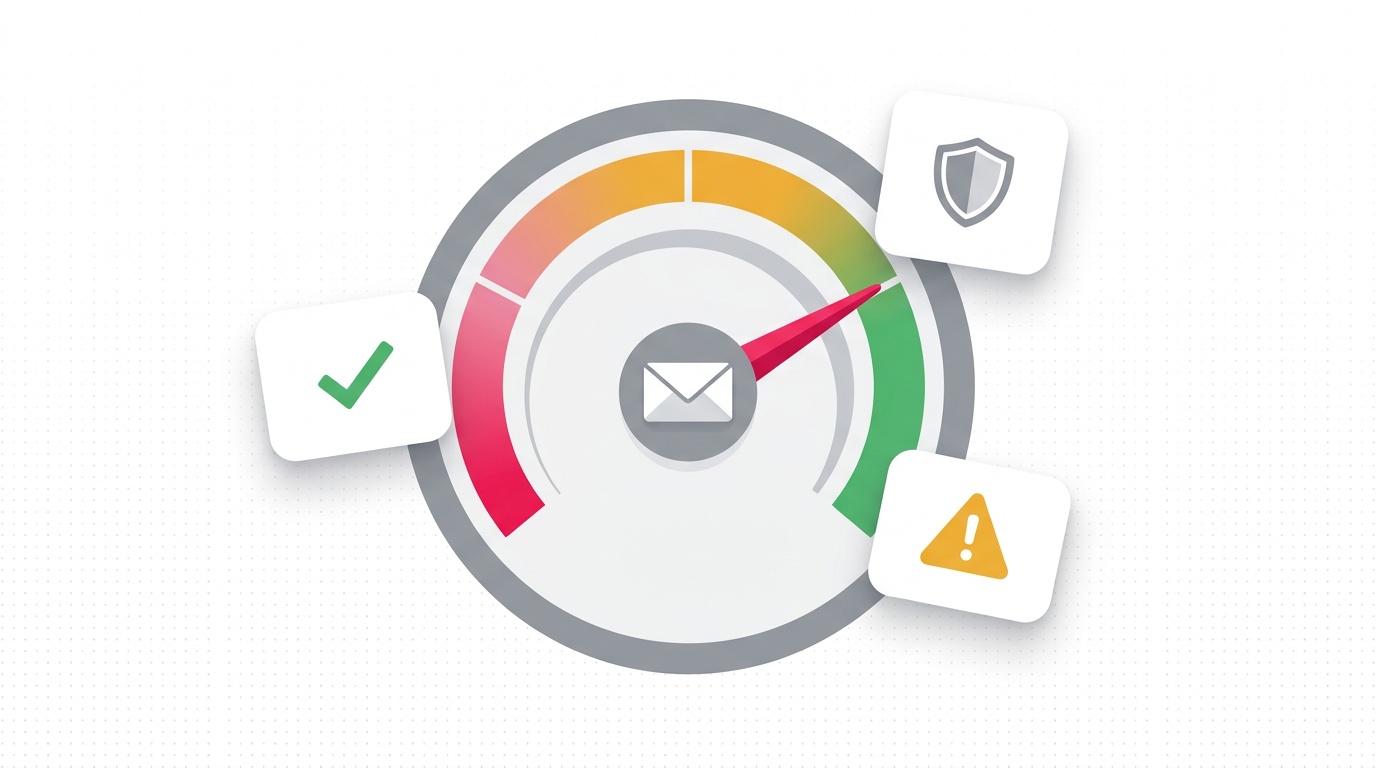
Email Spam Score: What It Is and How to Fix It
Your email spam score is a number assigned by spam filters — primarily SpamAssassin — that determines inbox vs. junk folder placement. Below 5 is safe; above 10 means blocked. This guide covers how spam scores are calculated, how to check yours free, and 10 concrete fixes: SPF/DKIM setup, list cleaning, content fixes, and blacklist removal.
Ready to find your next customers?
Search 10M+ verified B2B contacts and launch cold outreach campaigns with our free email deliverability tools.